


Gallery Posts




Advanced Vision Care & Precision Robotic Eye Surgery
Eye diseases, whether hereditary or environmental, significantly impact quality of life, learning, and perception. From common symptoms like burning and blurred vision to severe conditions that lead to permanent vision loss, early diagnosis through regular eye exams is vital.
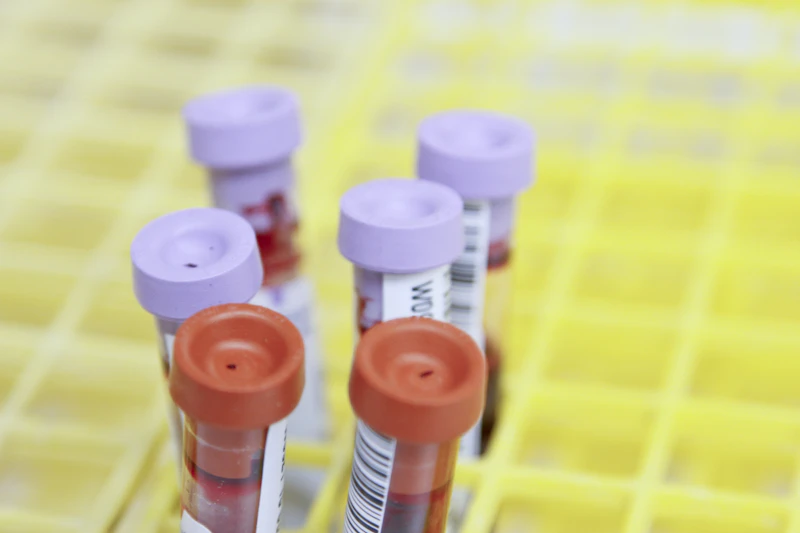
Using advanced diagnostic tools like Autorefractometers and Retinoscopes, we provide precise measurements of refraction, intraocular pressure, and neuro-ophthalmological health.

Cataracts occur when the eye’s natural lens loses transparency, leading to foggy vision and sensitivity to light. There is no medical (drug) treatment for cataracts; surgery is the only definitive solution.
Known as “Göz Tansiyonu,” Glaucoma is caused by high fluid pressure damaging the optic nerves. It often shows no symptoms until the final stages, making early detection critical to prevent irreversible blindness.
While it cannot be completely cured, it can be successfully managed to stop further vision loss through appropriate treatment and monitoring.
[Image of the human eye anatomy showing the cornea, lens, and optic nerve]
When the cornea loses its transparency due to disease or injury, vision becomes blurred. A transplant involves replacing the damaged tissue with a healthy donor cornea to restore sight.
Often caused by strabismus or different prescription strengths in each eye. Treatment focuses on patching the healthy eye to force the “lazy” eye to develop its vision capacity.
Strabismus occurs when the six muscles controlling eye movement are not balanced, causing one eye to drift inward, outward, upward, or downward. This can be caused by genetics, trauma, or nerve paralysis associated with diabetes or hypertension.
Early intervention is vital: Beyond aesthetic concerns, untreated strabismus can lead to lifelong vision impairment and double vision in adults.
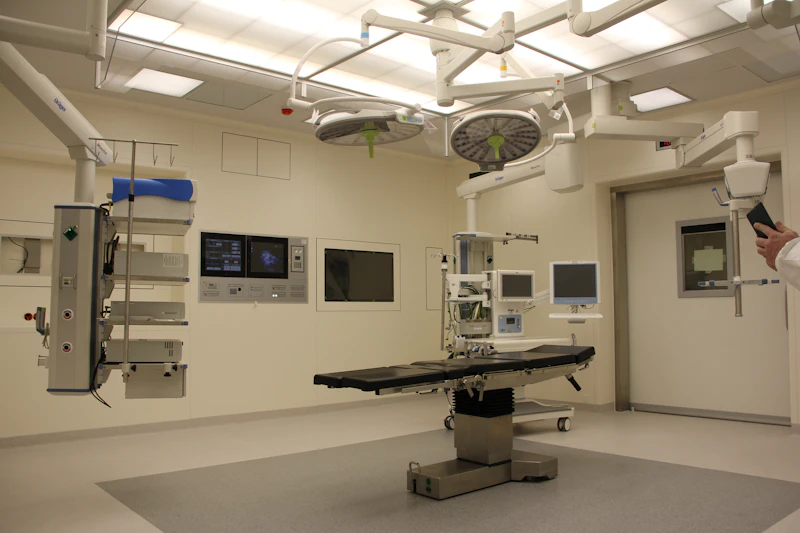
Combining robotic surgery with expert clinical care to give you a clearer perspective on the world.